Why Me?

Why Me?
RC reminded me of some lines of poetry I apparently wrote in the early 90s, when I was making public service films about health issues. In his telling, I had written these lines for a young man, a character in one of our films, who discovered he had contracted the AIDS virus.
“I keep thinking of that poem”, RC said when I spoke to him last week after several years, “and I still have a print-out somewhere.”
We hadn’t met since RC moved back to his native town of Ponda, in interior Goa, some twenty years ago. He married, had a daughter when he was past fifty, and taught in a local college. Then, a virulent encounter with COVID laid him low. This I had heard about when Sanjoy set up a support group among Delhi theatre circuits, to help finance his treatment.
“ I lost a quarter of my lung capacity, and I find it difficult to take classes any longer. I can’t speak for forty five minutes at a stretch.”
A pause.
“I try not to think, Why Me, but I often remember your poem.”
“Why Me” was not a phrase that came up last afternoon, when we met G after almost a year. Strong as a bull, he was bustling with energy last winter, when he showed us around the forest campus he was building for healing retreats. Now, “I’m supervising the last stages of the project from my couch…I get breathless if I try to leave the room”. His partner perched on the couch by him, tried to smile when he said, “I hope I can finish those rooms. Leave something for her.”
G’s condition is inoperable, and extremely rare. And, like many such conditions, with no identified triggers in lifestyle or exposure. Completely random. More than life itself. 3%, the pages on the net revealed last night. Only 3% of adult brain tumors find themselves lodged in the narrow spaces of the brain stem.
Why Me, G must ask. As must his partner, her shoulders slumped, her spirit diminished, if composed.
Why Me, I must also ask, then. Why Me, gifted the Grace of good health and good cheer? It’s only the clacking of a roulette wheel that pointed my arrow at a place that is not red, not black, but the green of forests and the blue of clear skies, and the gold of love and hope.
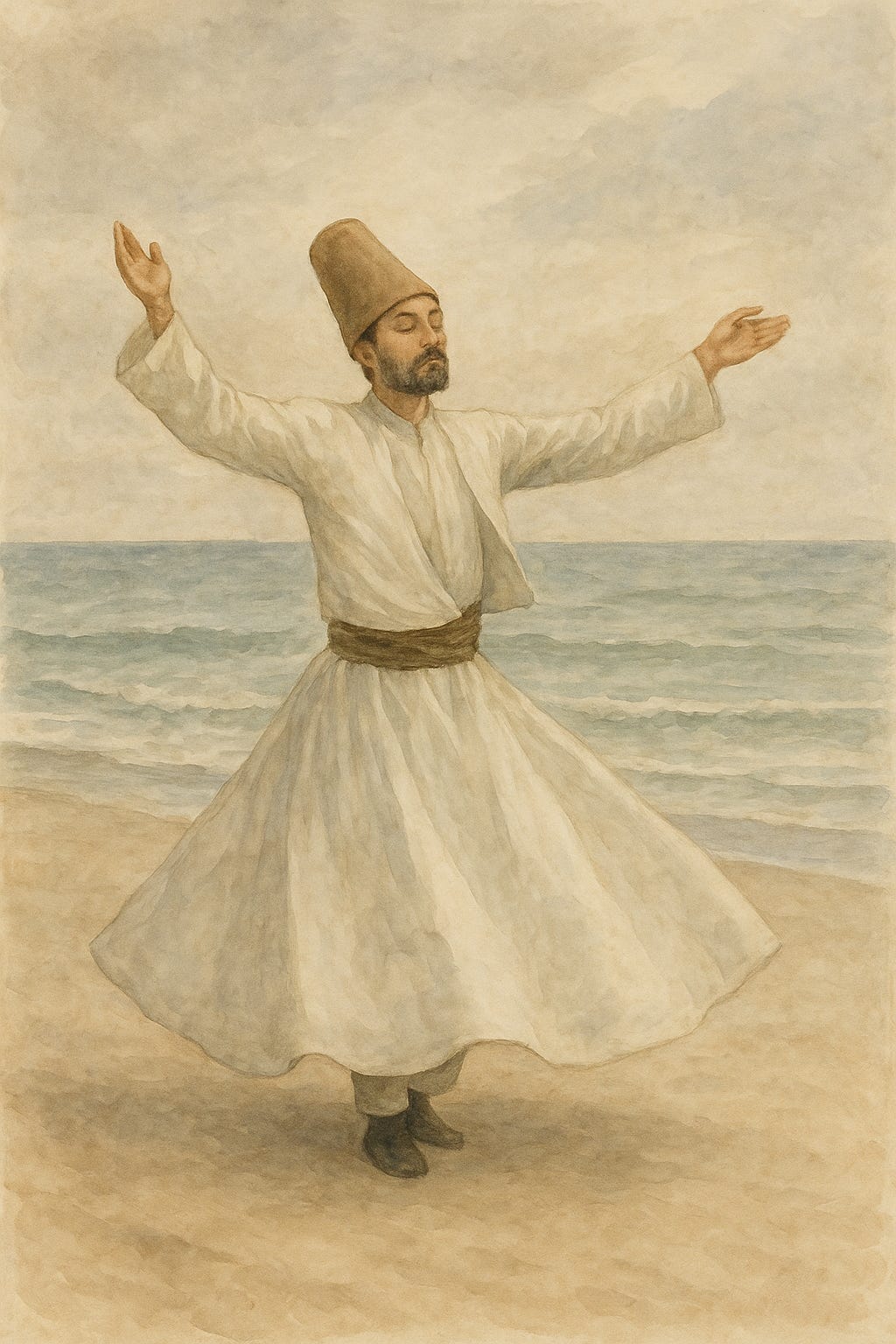
A fortune that must be celebrated with vigour and joy. With moments of whirling abandon. To do less would be churlish. But also a fortune to give thanks for, in quiet moments of pause and wonder.
And in those moments with the self, to open one’s being to compassion. To allow your heart to weep, to truly bleed, with the suffering of the other.
“There, but for fortune, go you or I.”
Very existential and reflective, thanks for the text.
I just finished reading Tuesdays with Morrie last evening, and this question is explored so beautifully in that book.